How Blockchain Technology Is Powering the Future of Online Gambling: A 2026 Guide to Crypto Casino Trends, Security, and Responsible Play in the UK

I've spent the last few years watching the UK gambling market shift under my feet, and nothing has moved the needle quite like blockchain technology. Walk into any online gambling forum in 2026 and you'll find the same conversation happening on repeat: players are trading old-school card payments for crypto wallets, and they're doing it because the promise of transparency actually feels real for once. This guide pulls together everything I've learned about the technology, the security implications, the regulatory grey zones, and — perhaps most importantly — how to keep your head straight while playing on decentralised platforms.
What Is Blockchain Gambling and How Does It Work?
At its core, blockchain gambling means betting on platforms where transactions, and often the games themselves, run on a distributed ledger rather than a private company server. Smart contracts — self-executing bits of code — handle payouts automatically the moment a game resolves, cutting out the manual processing delays that have plagued traditional operators for decades. There's no customer service rep sitting between you and your winnings; the code just does its job.
Blockchain vs Traditional Online Casinos
Traditional casinos rely on centralised databases that only the operator can see or audit. That's fine when the operator is trustworthy, but it creates a black box for everyone else. Blockchain flips this by recording every wager and payout on a public, tamper-proof ledger. In practice, this means faster settlement times and often lower transaction costs, since you're cutting out several layers of banking intermediaries that traditionally slow everything down.
Provably Fair Gaming Explained
One of the genuine breakthroughs here is 'provably fair' gaming. Using cryptographic hashing, players can verify — mathematically, not just on trust — that a dice roll or card shuffle wasn't manipulated after the bet was placed. You don't need to take the casino's word for it anymore; you can check the maths yourself. That's a meaningful shift from the old model where you simply hoped an independent auditor had done their job properly.
Why UK Players Are Turning to Crypto Casinos in 2026
UK players have specific reasons for warming up to crypto gambling that go beyond novelty. Since the 2020 ban on credit card gambling payments and the tightening restrictions around debit card transactions flagged as gambling-related, plenty of bettors have found traditional payment rails frustrating. Crypto sidesteps a lot of that friction. Withdrawals that once took three to five business days can clear in minutes. Fees are often a fraction of what card processors charge. And for players who value privacy, crypto wallets offer a level of discretion that a bank statement simply doesn't.
Add to this the sheer variety of games and formats now available exclusively on blockchain-native platforms — think NFT slot tournaments and DAO-run poker rooms — and it's easy to see why interest has snowballed rather than plateaued.
Security and Trust in the Crypto Casino Landscape
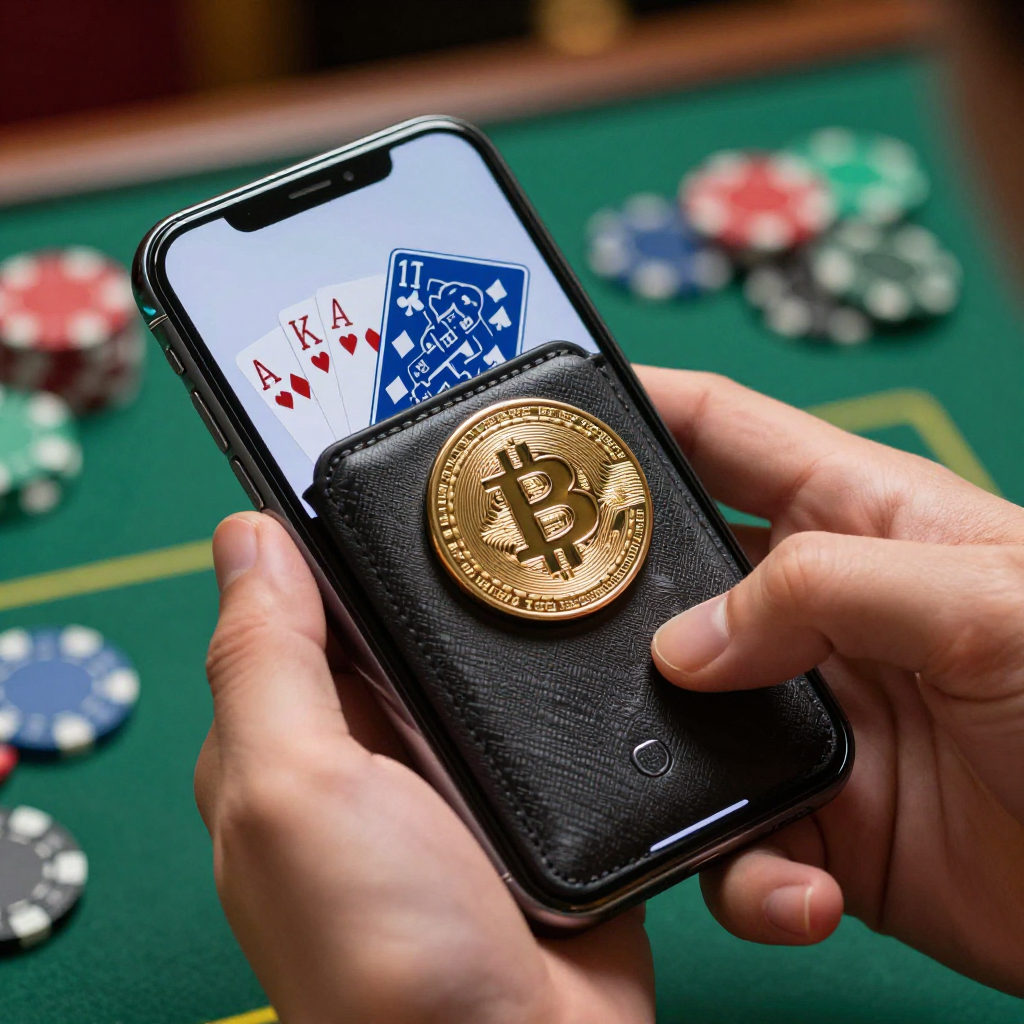
Blockchain's biggest selling point is arguably its resistance to tampering. Once a transaction is recorded, it can't be quietly altered, which theoretically reduces certain types of fraud that plague traditional systems, like chargeback abuse. Decentralised identity verification tools are also emerging, letting players prove their age or residency without handing over sensitive documents to every platform they touch.
That said, it's not all upside. Wallet phishing scams are rampant, and unregulated crypto casinos pop up faster than watchdogs can flag them. I've seen players lose funds not because the blockchain failed them, but because they clicked a dodgy link or trusted a platform with no licensing whatsoever.
Spotting a Legitimate Crypto Casino
Before depositing a single satoshi, I always check a few things:
- Licensing from the UK Gambling Commission or a reputable offshore regulator like Malta or Curaçao
- Publicly audited smart contracts, ideally reviewed by an independent security firm
- Transparent RTP (return to player) disclosures for every game
- Genuine community reputation — forums, Reddit threads, and review sites rather than paid testimonials
UK Regulation and the Legal Status of Crypto Gambling
The UK Gambling Commission has been cautiously adapting its stance on cryptocurrency wagering. As of 2026, operators accepting crypto must still hold a full UKGC licence if they're targeting UK customers, and they're expected to treat crypto transactions with the same anti-money-laundering scrutiny as fiat. There's growing chatter about bespoke regulatory frameworks specifically for blockchain-based betting, particularly around how smart contracts should be audited and how anonymous wallets square with know-your-customer requirements. Nothing is finalised yet, but the direction of travel suggests tighter, more tailored rules rather than a regulatory free pass.
Responsible Gambling in a Decentralised World
Here's where I think the industry needs to slow down and think harder. Blockchain removes friction, and friction — annoyingly — is often what stops people from chasing losses at 3am. Instant withdrawals and near-anonymous play can make it genuinely harder to apply the brakes, and traditional self-exclusion schemes weren't designed with pseudonymous wallets in mind.
This is exactly the gap that research-driven initiatives are starting to address. The EU-funded crypto casino awareness project is one example worth knowing about — it's studying gambling behaviour patterns specifically within digital and blockchain-based environments, aiming to build safer play frameworks that actually reflect how people gamble today rather than relying on outdated assumptions. I'd encourage anyone dabbling in crypto casinos to look into projects like this alongside using built-in deposit limits and self-exclusion tools that reputable platforms now offer.
Tools and Resources for Safer Crypto Betting
A few practical safeguards worth adopting:
- Blockchain-based self-exclusion registries that flag your wallet address across participating platforms
- Third-party spending and time-tracking apps that monitor wallet activity independently of the casino
- UK support services like GamCare, which offer free confidential advice regardless of payment method
- EU research initiatives studying decentralised gambling behaviour, which often publish free public resources
The Future of Crypto Gambling — Trends to Watch in 2026
Looking ahead, I'm keeping an eye on a handful of developments. NFT-based loyalty rewards are already replacing traditional points systems on some platforms, letting players actually own and trade their earned perks. DAO-governed casinos, where token holders vote on game selection and payout structures, are moving from experimental to mainstream. AI is being layered on top of blockchain data to flag risky betting patterns in real time — a genuinely promising marriage of technology and player protection. And UK regulators seem increasingly likely to introduce blockchain-specific licensing tiers before the year is out.
Conclusion
Blockchain has undeniably changed the texture of UK online gambling — faster payouts, provable fairness, and a level of transparency traditional casinos have struggled to match. But none of that innovation means much if it comes at the cost of player wellbeing. My advice, for what it's worth, is simple: stick to licensed platforms, use every safety tool on offer, and keep an eye on research initiatives working to make this space genuinely safer as it grows. Crypto casinos are here to stay in 2026 — just make sure responsible play stays right alongside them.